


777bar | Exploring the Immersive World of Simulation Games
Simulation games have carved out a significant niche within the gaming industry, captivating players with their immersive and often educational experiences. This genre, defined by its realistic depiction of activities, encompasses a wide range of subcategories, including life simulation, vehicle simulation, and city-building games, among others. At the core of this genre's appeal is the opportunity it presents for players to engage in complex, yet approachable, environments that mimic real-world scenarios.
One intriguing aspect of the simulation game category is its versatility and the breadth of experiences it offers. Games like "The Sims" allow players to oversee and influence the lives of virtual characters, engaging in everyday activities and decision-making. Meanwhile, titles such as "Flight Simulator" provide incredibly detailed and realistic experiences of piloting aircraft, catering to aviation enthusiasts and novices alike.
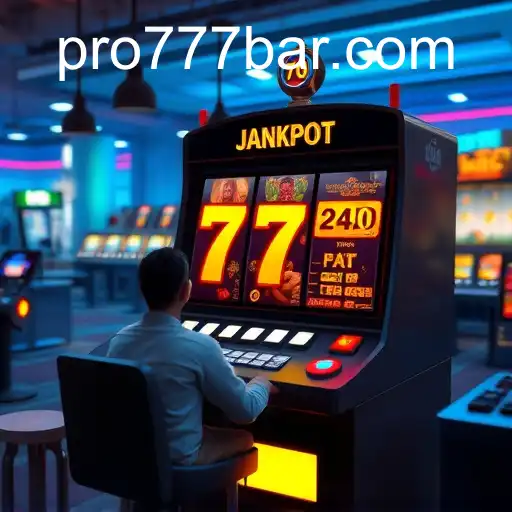
The keyword "777bar" within this context serves as a reminder of the broad applicability of certain elements in simulation games. It could allude to themes or features common in casino simulation games, where players explore the intricacies of betting, odds, and the management of virtual gambling establishments. Such games often aim to replicate the tension and excitement found in real casinos, without the financial risks associated with real-world gambling.
Simulation games often blend entertainment with education, enabling players to develop skills transferable to real-life situations. For example, city-building games like "SimCity" or "Cities: Skylines" require strategic planning and management skills that mirror those needed in urban development, helping players learn about infrastructure, economics, and resource management in a playful, engaging manner.
Furthermore, the rise of virtual reality technology is expanding the potential of simulation games even further. VR headsets allow for a deeper level of immersion that enhances the realism of the simulations, offering a more tactile and immediate sense of involvement in the game world. This technology showcases the genre’s ongoing innovation and its alignment with cutting-edge advancements.
As the gaming industry continues to grow, simulation games will likely remain a central fixture, continuously evolving to provide both entertainment and education. They offer unique opportunities for players to explore new careers, manage businesses, and build worlds, all within the safety and creativity afforded by virtual environments. Whether through the lens of city management, pilot training, or virtual leisure activities, simulation games remind us of the boundless possibilities that lie at the intersection of technology, imagination, and human curiosity.
